




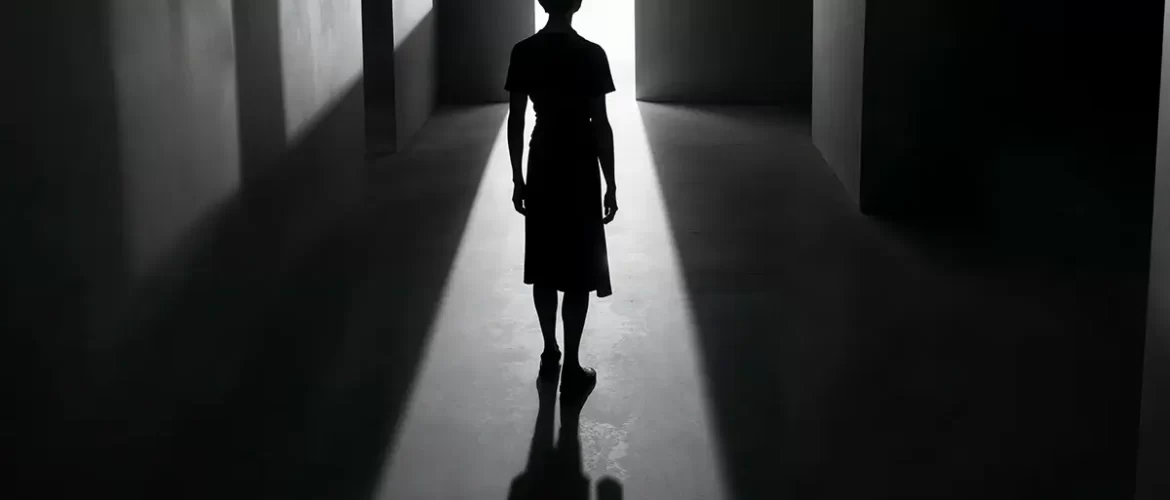
You’ve probably heard the phrase “fake it till you make it.” But what happens when you do make progress, yet still feel like a fraud? That’s Imposter Syndrome, the nagging belief that your skills aren’t real, your successes are just luck, and one day, people will “find you out.”
For creatives, this mindset is especially dangerous. Whether you’re a designer, writer, or artist, your work is deeply personal. So, when imposter syndrome creeps in, it doesn’t just attack your career it attacks your identity. It convinces you your ideas aren’t original enough, your work isn’t polished enough, and that you don’t belong in the very field you’ve worked hard to enter.
This constant self-doubt keeps many creatives in the shadows. They delay posting, second-guess opportunities, and watch others showcase their work while they hold back. The result? Missed growth, lost visibility, and stalled confidence.
But here’s the thing: imposter syndrome is not a life sentence. It’s a battle many creatives fight and you can break free.
1. Believe in Your “Trash”
Every creative thinks their work is trash at some point. But here’s the truth: what feels like “trash” to you may be gold to someone else. Creative growth doesn’t happen in private it happens when you allow your work to be seen, critiqued, and appreciated. Stop waiting for “perfect.” Share the sketches, the drafts, the half-formed ideas. By sharing, you allow room for growth, feedback, and connection. Progress comes from doing, not from hiding.
2. Stop the Comparison Game
Scrolling through Behance, Pinterest, or Instagram can be inspiring but it can also be toxic if you use it as a yardstick. There will always be someone who seems more talented, more original, more polished. But here’s the thing: they aren’t you. They don’t have your perspective, your story, your influences. Creativity isn’t a race; it’s a fingerprint. Focus less on who’s ahead and more on the direction you’re moving. Comparison kills originality; attention to your own growth nurtures it.
3. Put Yourself Out There (Done > Perfect)
Perfectionism is often just fear dressed up in fancy clothes. You tell yourself, “I’m refining” when really, you’re avoiding judgment. The antidote? Publish. Share. Launch. Ship it before it’s perfect. Why? Because perfection is an illusion. Your audience doesn’t connect with flawless they connect with authentic. The more you put yourself out there, the more you’ll realize that people resonate with honesty and effort more than polished perfection.
4. Seek Feedback from the Right People
Not all feedback is equal. Throw your work to the wrong audience, and it can crush your confidence. But in the right hands, mentors, trusted peers, supportive communities feedback becomes fuel. The key is to filter. Ask: “Does this person want to help me grow, or do they just want to critique?” Build a circle of people who push you without breaking you. Feedback should sharpen, not shatter.
5. Document Your Progress
Imposter syndrome convinces you that you’re not improving but it lies. The best way to shut it down? Document your journey. Save your old logos, designs, sketches, drafts. A year from now, look back. You’ll see growth that wasn’t obvious in the day-to-day grind. That contrast is proof that you are, in fact, evolving. Documenting your journey isn’t just for nostalgia it’s evidence against the inner critic.
6. Join a Creative Community
Isolation is fertilizer for imposter syndrome. When you sit alone with your doubts, they echo louder. But in community, you realize everyone struggles with the same thoughts. Being around other creatives normalizes the struggle, provides support, and creates accountability. You gain perspective: even the creatives you admire battle self-doubt. Community reminds you you’re not broken you’re human.
Imposter syndrome never really disappears it whispers even in the ears of the best artists. The trick isn’t to silence it completely, but to keep creating in spite of it. Each post, each design, each idea shared is a small rebellion against the voice that says “you’re not enough.” Imposter syndrome can feel lonely, but you’re not alone. Every creative from beginners to seasoned professionals has battled it at some point. The key is to choose progress over perfection and keep moving forward.
Your career is a journey. Don’t let self-doubt hold you hostage in the shadows step out and own your growth.